Artigo 5
Superbugs bacteria
Terrifying little creatures
en 18/12/2021 18:28 Mahmud El Adwi
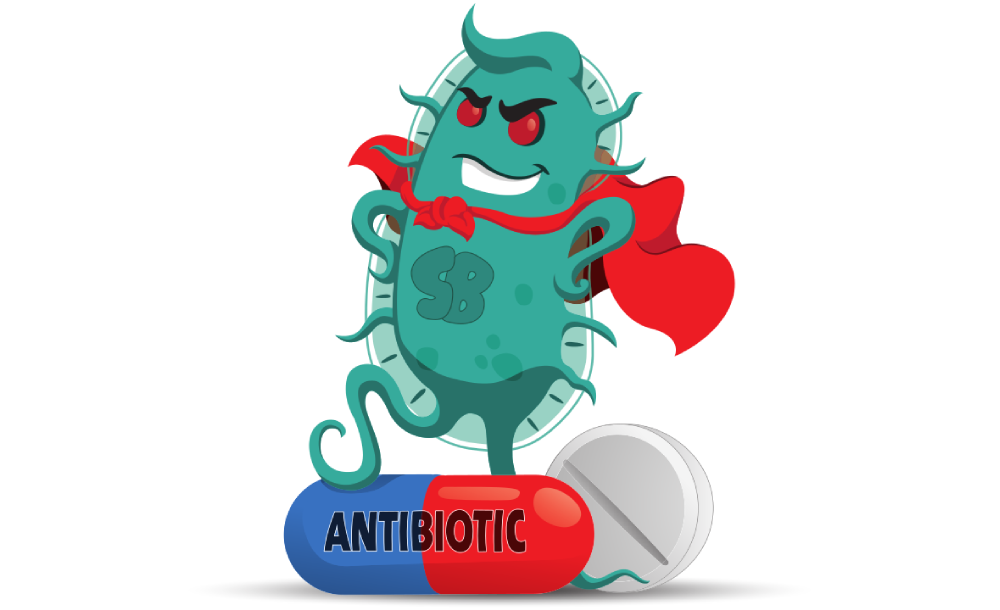
Although we humans, have survived for centuries because of our discoveries and science! But the misuse of our discoveries will be the cause of our demise for good.
In 1928, the Scottish physicist Alexander Fleming discovered Penicillin, which can be considered one of the most important discoveries of the twentieth century at all, as it saved humanity from an great danger, bacterias and microbes.


Antibiotics are a vital class of drugs that help save many lives. They treat a wide variety of infections, from mild urinary tract infections to life threatening sepsis.
But can antibiotics protect us forever?
The terrifying answer to this question is (No)
Some bacteria and fungi have become resistant to antibiotics. These kinds of microbs are called superbugs, the recent rise in superbugs is partly to do with the overuse of antibiotics, which contributes to antibiotic resistance.
There is no way known to stop antibiotic resistance entirely, as it is part of the natural evolution of germs. Yet, it is essential for both doctors and patients to take steps to avoid antibiotic resistance.
A superbug refers to a germ that has formed resistance to multiple drugs that once treated the infection caused by the germ. The term “superbug” was developed by the media.
While any germ may become a superbug, bacterial and fungal strains that routinely infect humans, animals, and crops are most likely to do so.
As these bacteria and fungi adapt to the way a drug works, they may begin to resist treatment. Treating these infections may then take multiple doses of different and stronger drugs.
Antibiotic resistant infections lead to more than 35,000 deathsTrusted Source in the United States each year, according to the Centers for Disease Control and Prevention (CDC).
Antibiotic resistant bacteria may be more present in certain areas that require regular sterilization, such as hospitals and other healthcare facilities.
Regular sterilization is key to combating infections in these settings, but it may also be making some germs stronger.
In addition, these dangerous germs may be more present in some foods, such as in animal products that farmers have treated with antibiotics.
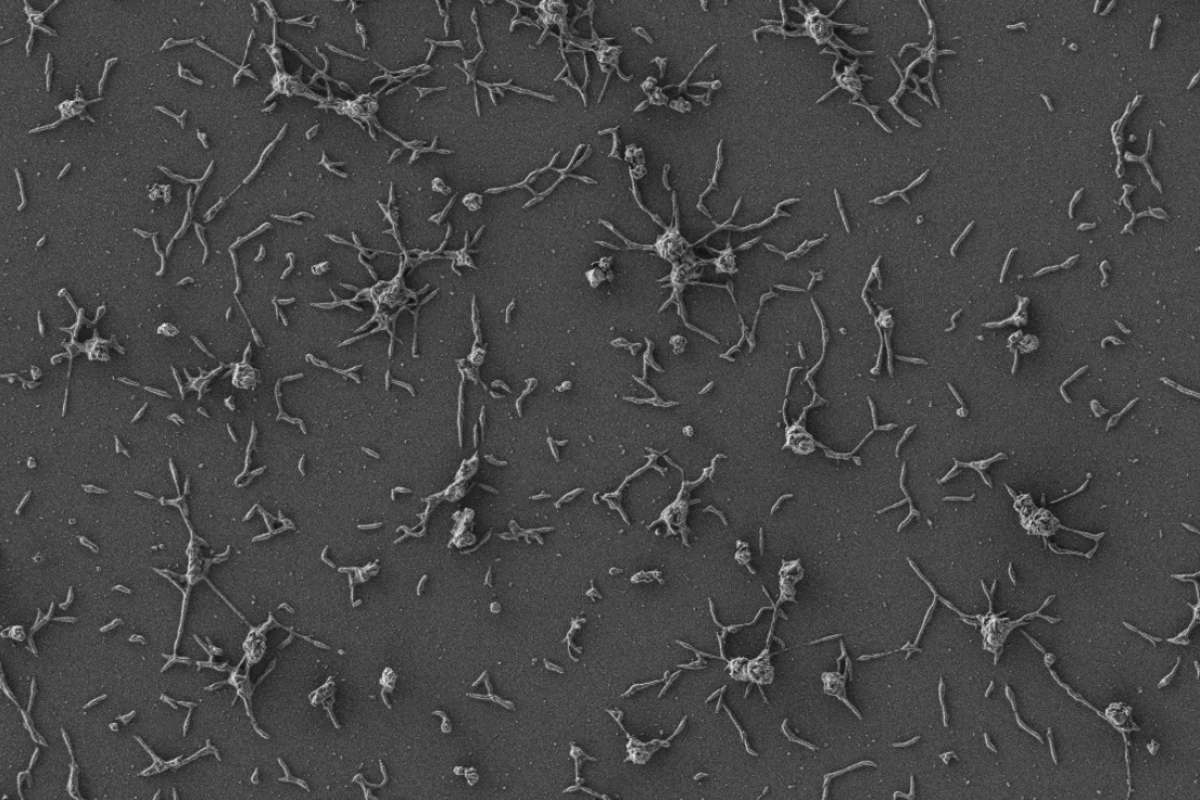
According to the estimates of the World Health Organization (WHO), superbugs might be one of the most dangerous problems facing the world today.
Because all human beings are exposed to this danger, no matter how healthy, strong or careful they are.
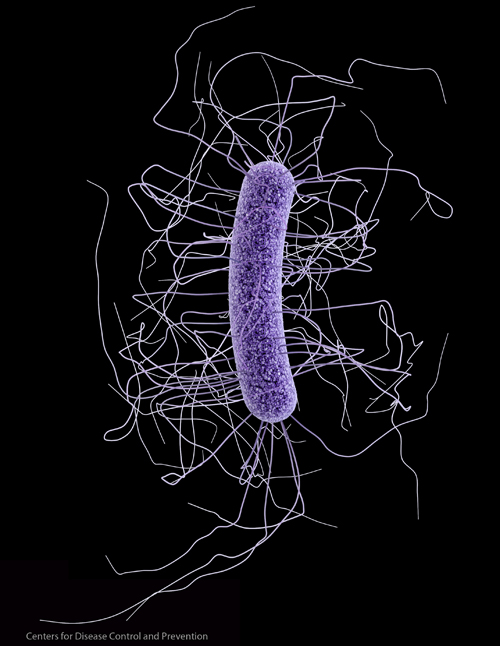
Clostridium difficile (C.diff) is one of the famous examples of bacteria turning into superbugs.
Clostridium difficile is a harmless bacteria that lives in the intestines, but begins to act differently when someone takes antibiotics extensively. If antibiotics kill a number of gut microbiota, the C.diff begins to take over the food that was feeding the dead microbiota, it grows and causes a number of intestinal disorders, sometimes even death.
In May 2016, a 49-year-old Pennsylvania woman showed the presence of a rare kind of E. coli infection, the first known case of its kind in the United States. It is a superbug that is resistant to many antibiotics, even Colistin, which doctors use as a last resort when other antibiotics fail.
This case raised the pace of the Centers for Disease Control and Prevention (CDC), which is concerned about the possibility of emergence of superbugs that can not be stopped.

It may seem that medicine is losing its most powerful weapon. We are just beginning to see the effects and flaws of our discoveries. We must improve our methods for dealing with problems. As did some scientists who announced in 2015 the discovery of Teixobactin, which prevents bacteria from forming anti-cellular, which makes them an easy target for the body's immunity. But we must be more careful in dealing with this weapon. Because our misuse of antibiotics has put ourselves at the highest level of danger since the discovery of penicillin.

Let's remember that for bacteria we are just new guests. Bacteria have been on Earth since its inception, and they are literally everywhere, even in our own bodies. The beneficial bacteria help us to survive and live a good and healthy life, but our wrong habits eliminate the beneficial more than the harmful ones.
Leave a comment with your opinion.
Thank you